
Throwback: Our First Hempcrete Home in Vermont
A Family-Built Foundation for Healthier Living
Not just a house—but a home that embodied everything we believed in. As builders, designers, and as a family, we wanted more than four walls and a roof. We wanted a space that felt honest. A quiet rebellion against toxic materials, quick fixes, and wasteful practices. We were searching for a way to build that felt right—in our hands, in our hearts, and in the air we breathed.
Over a decade ago, we rolled up our sleeves and did something that felt big—bigger than we knew at the time. We built our first hempcrete home in Vermont. It wasn’t just a new construction project; it was a shift. A move toward healthier materials, toward sustainable choices, and toward building in a way that felt closer to the land.
This wasn’t a speculative experiment. It was personal. We built the house ourselves, with our own hands—and our kids pitched in, too. It was a true family project from start to finish. We mixed, packed, and formed every wall. Looking back now, it was the beginning of a new chapter not only for our family, but for our company, Design Plan + Build.
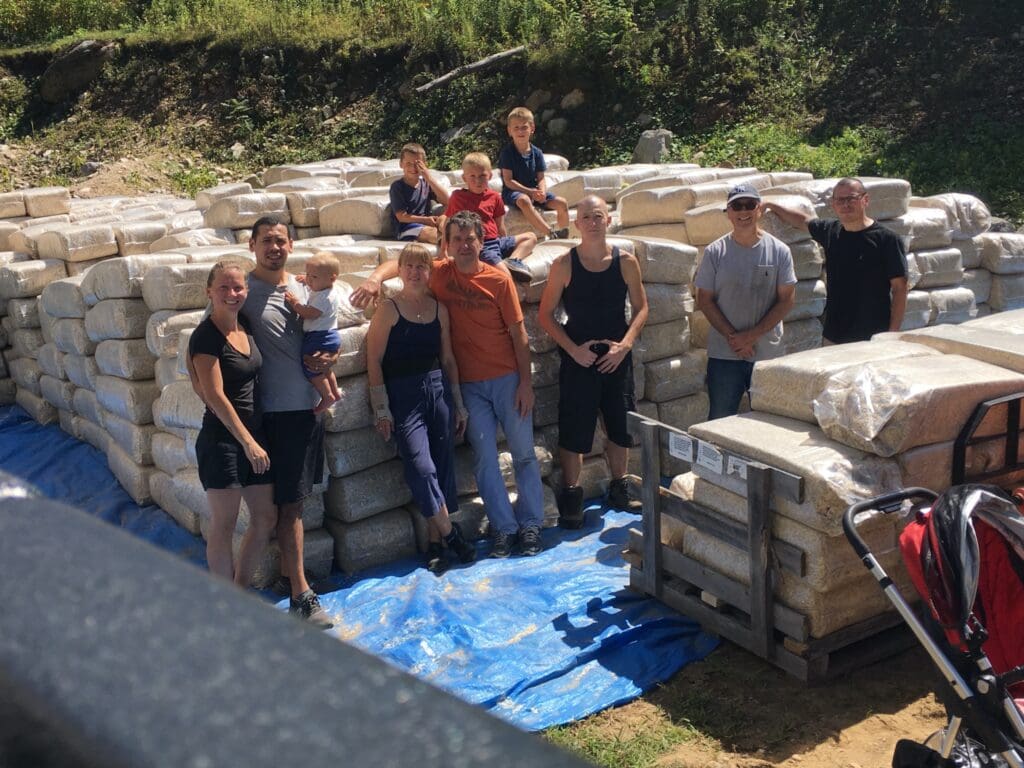
The original crew: Three generations, hundreds of bags of hemp hurd, and a whole lot of determination.
Why Hempcrete?
Back then, not many people in Vermont had heard of hempcrete. It even sounded a little out-there to some. But we were drawn to it for a reason: longevity, simplicity, and health.
Hempcrete is made from hemp hurds (the woody core of the hemp plant), mixed with a lime-based binder and water. Once packed and cured, it forms a lightweight, breathable wall system that insulates and regulates moisture naturally. It’s fireproof, pest-resistant, mold-resistant, and entirely non-toxic. No glues, no VOCs, no off-gassing—just clean air and dry walls.
And unlike conventional insulation or wall systems, hempcrete actually absorbs more carbon dioxide during its curing process than it emits during production. That means every wall we packed was making a small dent in reversing carbon emissions. That felt good.

Teaching the next generation—our son suited up and helping pack hempcrete into the wall forms.
The Process: From Curiosity to Craft
We didn’t have a big crew or heavy machinery. What we had was a lot of determination, curiosity, and family involvement. Our kids helped mix the hempcrete in wheelbarrows and haul buckets to the wall forms. It wasn’t always pretty—but it was real.
We started with timber framing—strong, honest Vermont wood, built to last. Then came the forming process: setting up temporary wood forms to hold the hempcrete in place as we cast it around the frame.
Next came mixing: a simple blend of hemp hurds, lime binder, and water. It sounds straightforward, but like baking bread, it takes feel. Too wet, and it slumps. Too dry, and it won’t bind. We honed the process with each wall— we mastered the mix, the timing, and the rhythm like second nature.
Finally, the packing—hand-packed in lifts, one layer at a time. It was repetitive, physical work, but there was something meditative about it. Watching the walls rise slowly, feeling the texture of the mix, seeing the form of the house take shape—it grounded us.
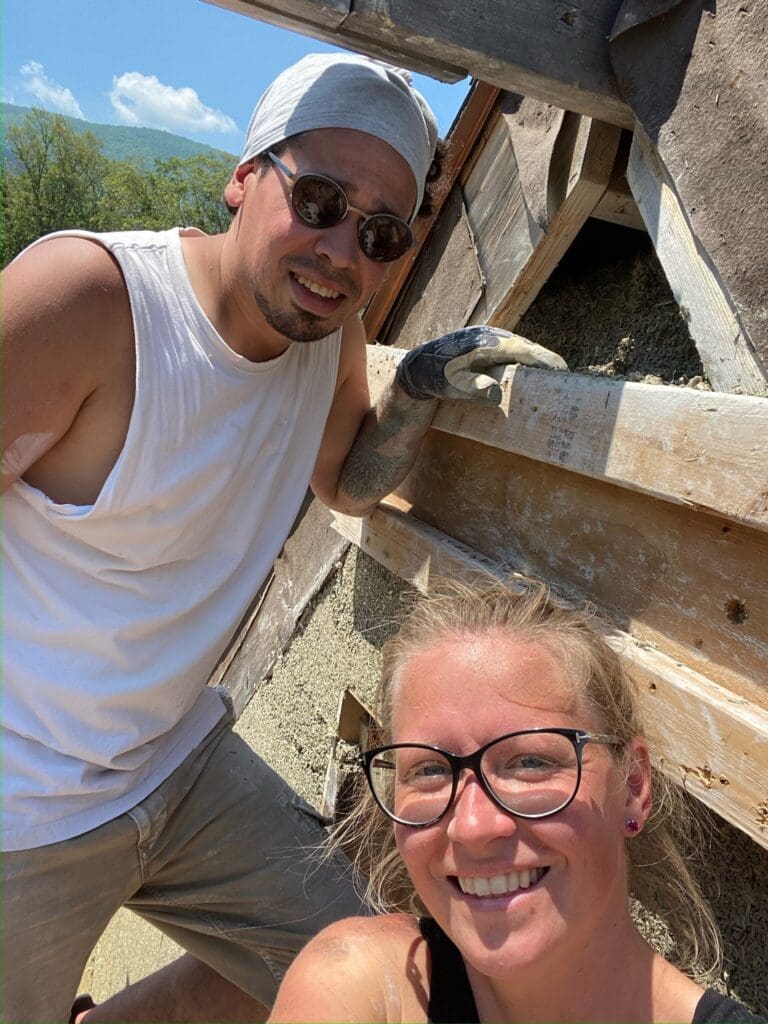
Our last bucket! It was hot, it was physical—but it was ours. A long day’s work with smiles to match.
Living in Hempcrete
From the beginning, we could feel the difference. Even during construction, the indoor air felt fresher. No chemical smells, no headaches. Just clean, breathable space.
In winter, the house holds warmth. In summer, it stays cool. Hempcrete doesn’t just insulate—it regulates. The thermal mass balances temperature swings, and the breathable walls keep humidity in check. That’s a big deal in Vermont, where the seasons swing hard.
It’s also quiet. Hempcrete softens sound in a way you don’t expect from a wall. The house feels peaceful—not just visually, but acoustically.
What We Learned
Over a decade later, we still look back on that build as a turning point. It taught us that good design starts with the materials. That homes don’t have to be toxic, complicated, or over-engineered to be beautiful and high-performing. And maybe most importantly, it showed us the value of building something that’s truly meant to last.
The home is standing strong. The hempcrete has aged gracefully, the air is still clean, and the space feels grounded.
A Foundation for the Future
Since that first build, hempcrete has become a cornerstone of what we do at Design Plan + Build. We’ve refined our systems, improved our detailing, and integrated hempcrete into everything from custom homes to additions and retrofits.
But that first house? That’s where it all started—with one family, a few buckets, and a willingness to try something different.
Final Thoughts
We didn’t build that house to prove anything. We built it because it felt right. And over a decade later, it still does.
If you’re curious about hempcrete—not just as a material, but as a way to live—we’d love to share what we’ve learned.
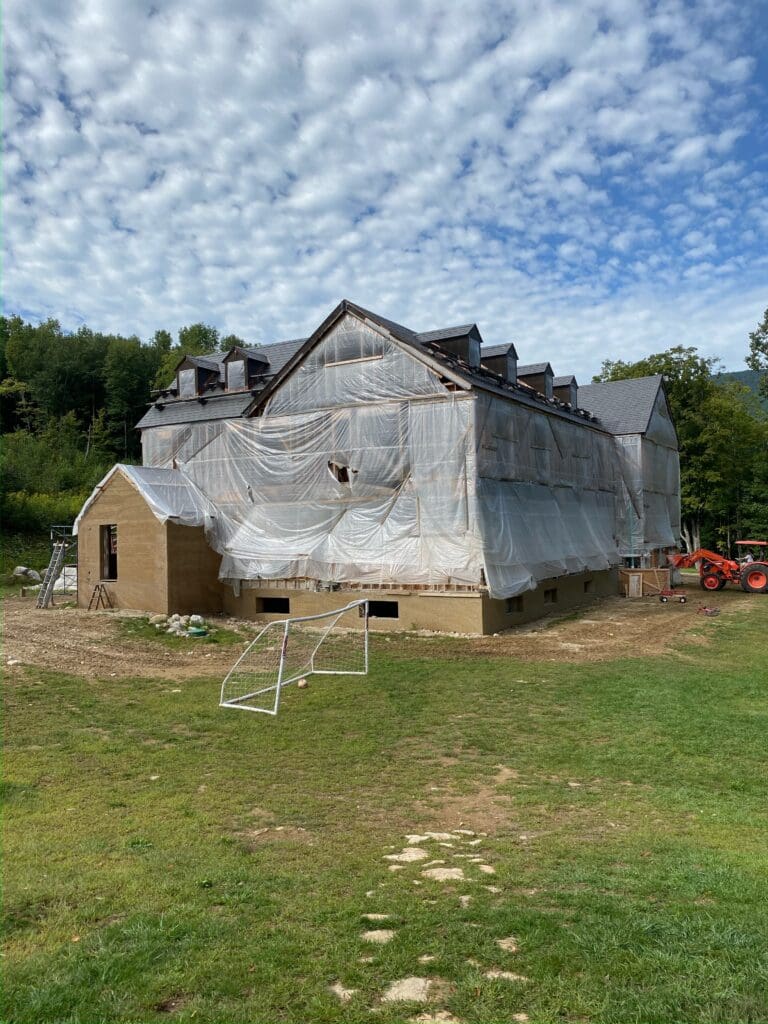
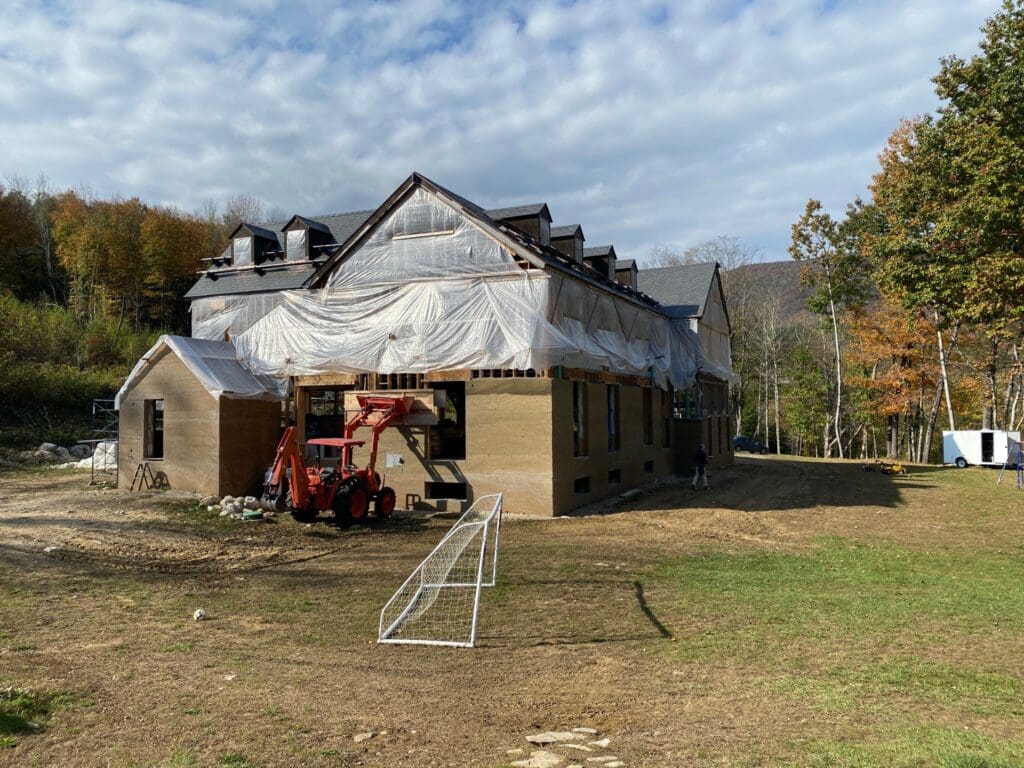
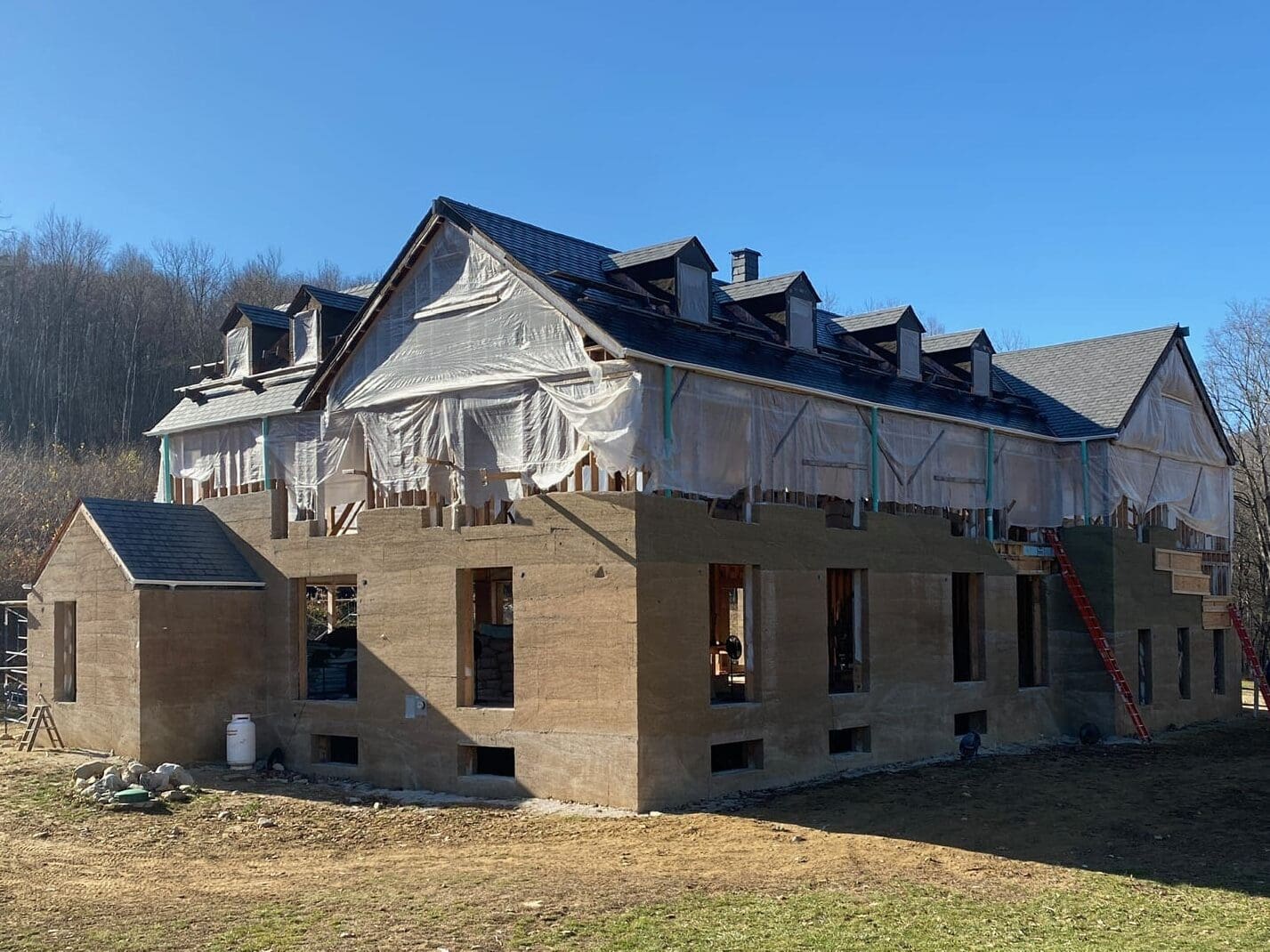
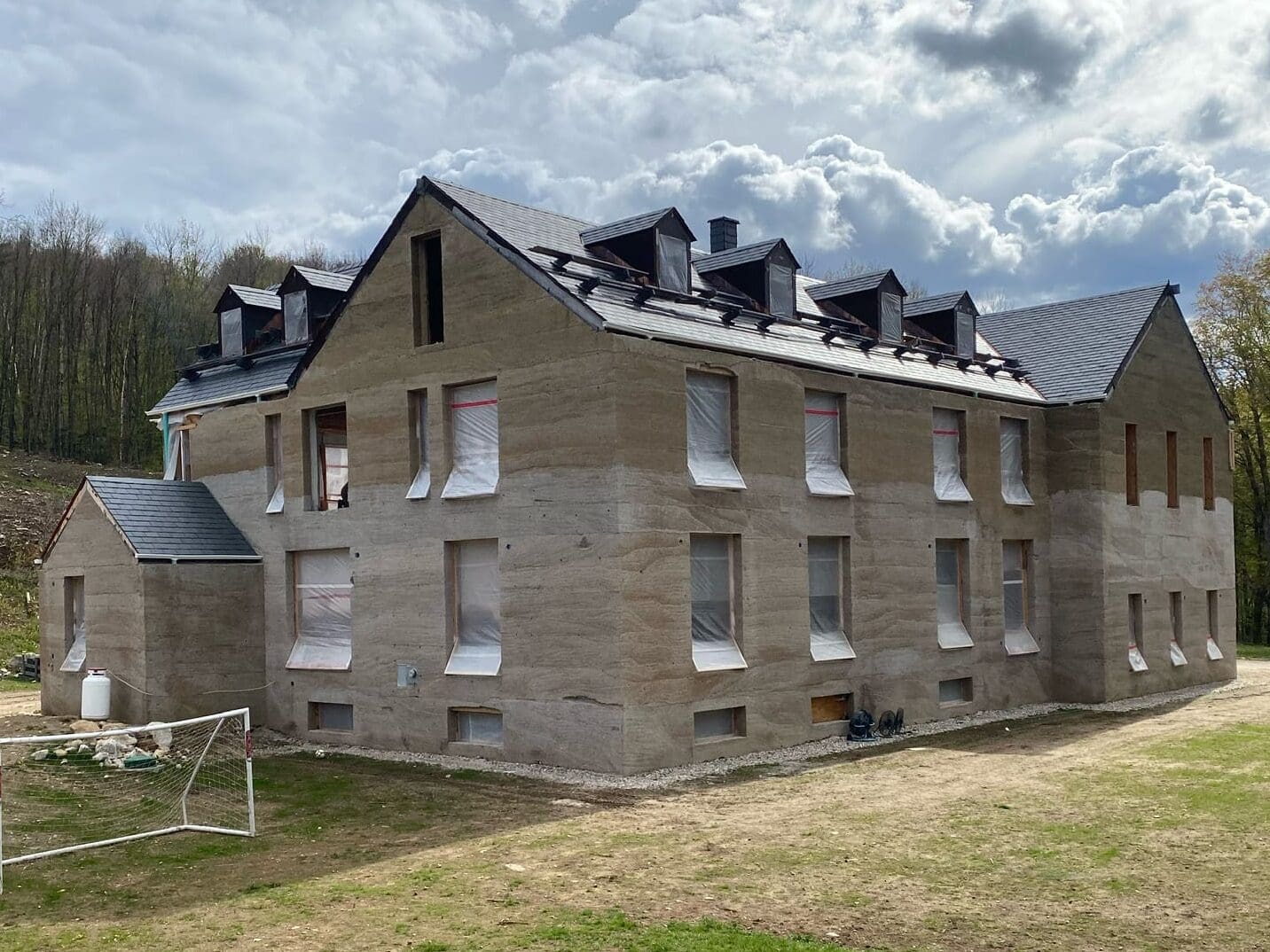
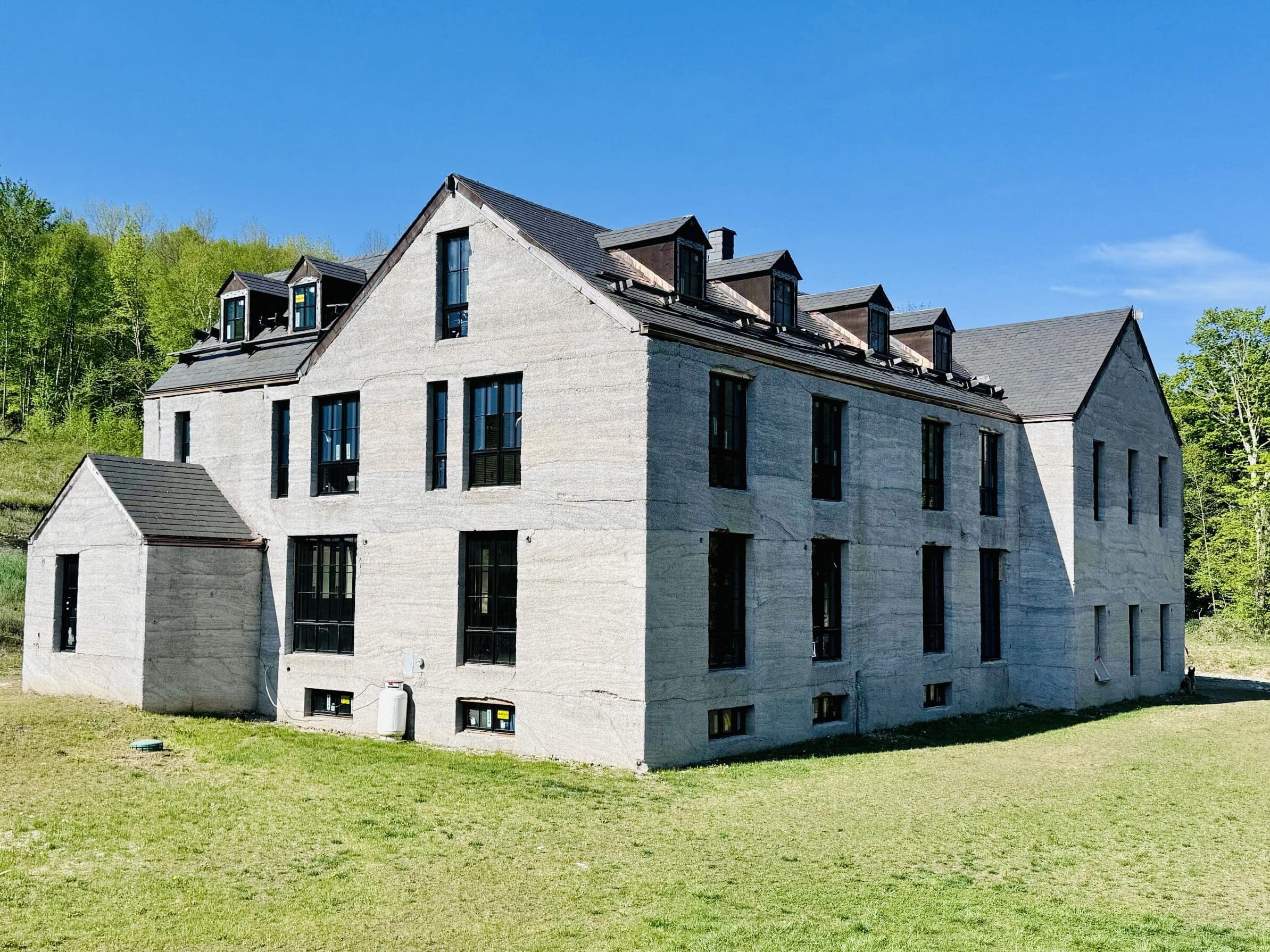
Watching the walls take shape was like watching a story unfold—natural, imperfect, and totally ours.
Stay tuned for more, where we’ll dive into lime plaster finishes, natural interiors, slate roofs, hempcrete floors with radiant heat and so much more!
Let’s keep building things that last. Things that breathe. Things that feel good to live in.
Design it, Plan it + Build it — with Hempcrete.